
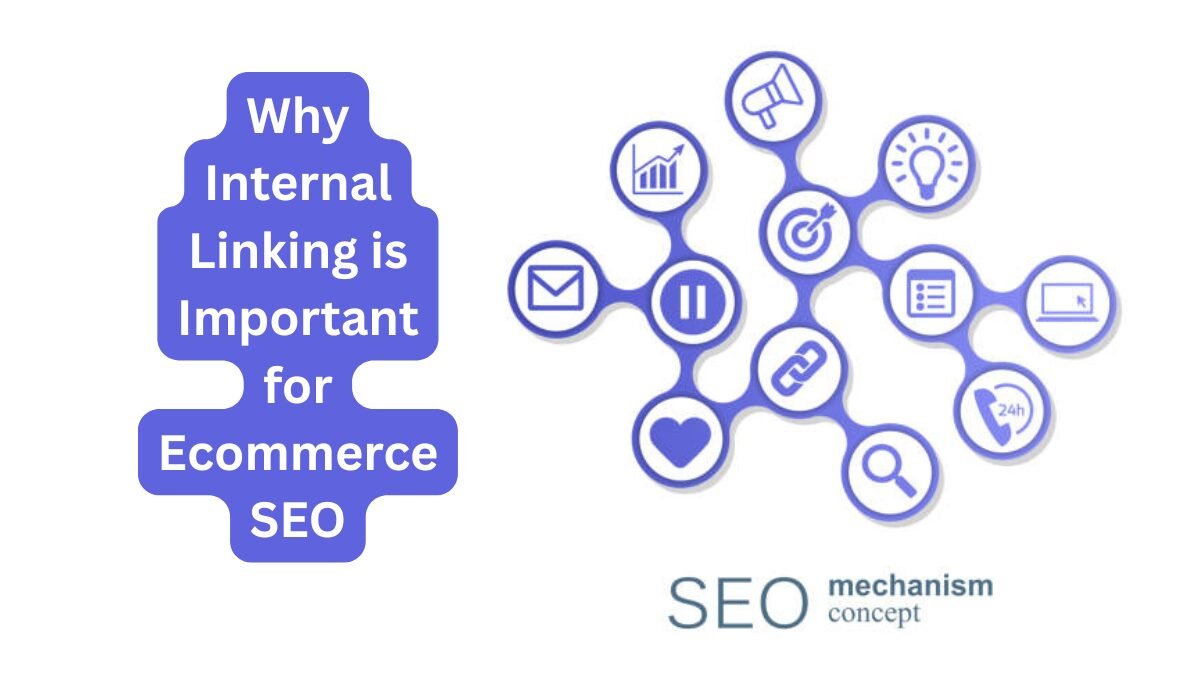
When you see a site ranking on Google page one with a seemingly simple content strategy and follow it, the same may not work for you for two reasons. You likely didn’t see the invisible “web” of authority they built under the surface. You also missed how their link structure tells Google exactly which pages are the money-makers. If you are not seeing the growth you want, understanding why internal linking is important for ecommerce seo is the primary piece of your puzzle.
The internal link is the circulatory system of your store. It carries the lifeblood of “Link Equity” from your high-power homepage down to your deepest product pages. In 2026, where AI search agents decide which brands to cite, your internal links act as the map they use to understand your expertise.
The 2026 Reality | Why “Orphan Pages” are Revenue Killers
Tier 1 market is more competitive than ever. In 2026, Google’s crawl budget is tighter than a drum. If a product page exists but has no internal links pointing to it, it is called an “Orphan Page.” To a search engine, an orphan page essentially does not exist.
If you want to know why internal linking is important for ecommerce seo, look at your indexation rate. A site with a “Flat” structure—where every page is within three clicks of the home—will always outrank a messy one. We are moving toward a “Topic Cluster” world. Your links are the threads that tie your products to the problems they solve.
The Authority Pipeline | Moving Power to Your Products
Alright, now let’s talk about the blunt logic of search engines. Google does not just “find” your pages; it evaluates them based on their relationships. Internal linking is the only tool you have to control that evaluation.
Distributing “Link Juice” to Your Money Pages
Most ecommerce sites have a few “Power Pages”—usually the homepage or a viral blog post. These pages earn the most external backlinks.
- The Move: Link from these high-authority pages directly to your top-selling products.
- The Result: You funnel that external authority down to your sales pages. This helps them rank for competitive terms like “modern grey sofa.” For example, a home decor store could link its “Best Living Room Trends 2026” blog directly to its newest sofa collection. This passes the authority instantly.
Guiding the AI “Discovery” Process
In 2026, AI overviews summarize your site’s value. If your links are logical, the AI can “connect the dots” between your categories.
- The Logic: If a blog about “Small Living Room Ideas” links to your “2-Seater Sofas,” Google understands the relationship.
- The Win: You are more likely to be the “Suggested Product” in an AI-generated answer. It shows “Topical Relevance” and “Semantic Depth” which AI models crave.
Semantic Keywords | The Garnish for Your Link Strategy
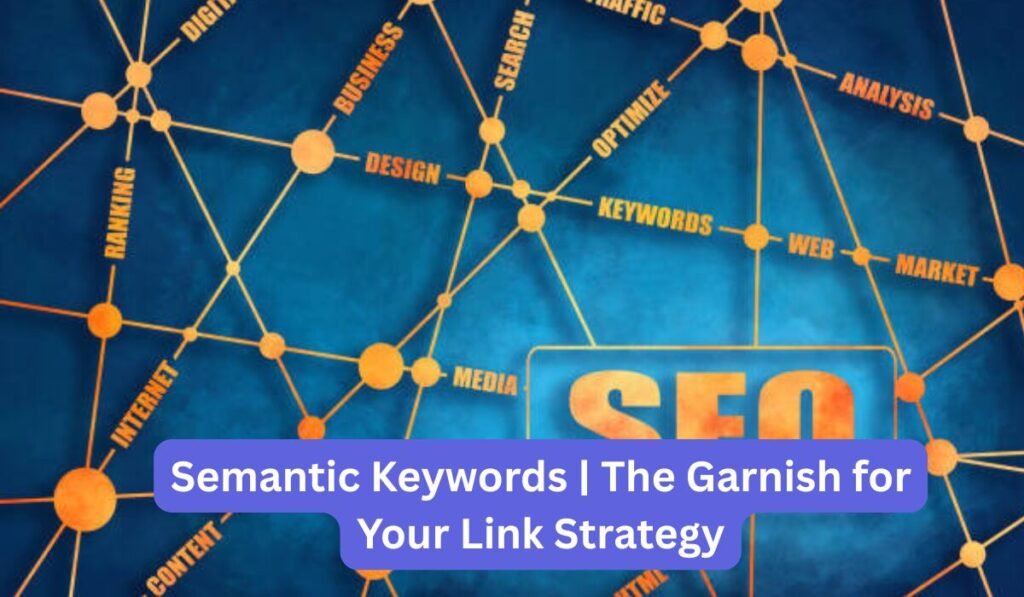
Let’s move on to another important thing: the language of the 2026 link. We don’t just “link” anymore. We map “Entities.” To hit a high SEO score, you must use these related terms throughout your content to build a “Topic Hub.”
| Link Category | Semantic Keywords |
| Architectural | Crawl Depth, Click Depth, Flat Hierarchy, Orphan Pages, Sitelinks, Pyramid Structure. |
| Technical | Link Equity, PageRank Flow, Redirect Chains, Canonicalization, 404 Recovery, Crawl Budget. |
| Contextual | Descriptive Anchor Text, Topic Clusters, Pillar Pages, Silo Structure, E-E-A-T, Information Gain. |
| Strategic | Conversion Funnel, Bounce Rate Reduction, Navigation Menus, Breadcrumb Schema. |
Old SEO Standards vs. New 2026 SEO and ASO Standards | The Link Evolution
Alright, now let’s talk about how the rules have changed. The “Old Way” of linking will actually get you penalized today.
The Old SEO Standard | The “Click Here” Era
- The Move: Using generic anchor text like “Click Here” or “Read More” for every link.
- The Result (2026): Google ignores these. They provide zero “Topical Context.” If you link to a wardrobe page using “click here,” the bot has no clue what the destination contains.
The New Standard | The “Descriptive Anchor” Era
- The Move: Using descriptive, keyword-rich phrases like “view our velvet chesterfield sofa range.”
- The Result: You tell the bot exactly what the next page is about. This builds “Topical Authority” and helps the destination page rank for that specific term. It creates a “Predictable Click Path” for the user.
Advanced Siloing | How to Map Your Authority
Let’s move on to a concept called “Siloing.” This is how the big players dominate the search results. They don’t just link randomly. They link within “buckets” of relevance to create a “Vertical Hierarchy.”
Creating the “Topic Cluster”
If you sell bedroom furniture, your “Beds” category is your Pillar. Your blogs about “Sleep Quality” and “Mattress Reviews” are your Spokes.
- The Rule: Every “Spoke” (blog) must link to the “Pillar” (category).
- The Benefit: This creates a “Topical Fortress.” Google sees you as the ultimate authority on “Bedroom Comfort,” not just a shop that sells random items. For instance, if you link a “How to Choose a Mattress” guide to your “Memory Foam Mattresses” collection, you reinforce that specific product’s rank.
Crawl Budget and Indexation Efficiency | The 2026 Benchmark
Alright, let’s talk about the technical side of why why internal linking is important for ecommerce seo. Every time Google visits your site, it has a limited “Crawl Budget.” If your site is a maze, Google wastes that budget on low-value pages and leaves your new arrivals unindexed.
Reducing Crawl Depth
Crawl depth is the number of clicks it takes to reach a page from the home screen.
- The Standard: Keep all high-margin products within 3 clicks of the homepage.
- The Move: Use “Mega Menus” and “Breadcrumb Schema” to bridge the gap. If a sofa is 5 clicks deep, Googlebot might never find it. Moving it to 2 clicks can result in an instant ranking jump.
Interlinking Strategy for Ecommerce Websites | The Hub-and-Spoke Power Play
Alright, now let’s talk about the single most effective way to structure your links. If you want to dominate the market in 2026, you cannot just link randomly. You need a Hub-and-Spoke Interlinking Strategy. This is the “Pro” move that separates the million-dollar stores from the hobbyists. It is a highly logical, tiered system that forces Google to recognize your “Topical Authority” almost instantly.
Phase 1 | The Category “Hub” (The Pillar)
Your “Hub” is your main category page, like “Velvet Sofas” or “Memory Foam Mattresses.” This page is your powerhouse. It targets the broad, high-volume keywords.
- The Move: Every single product page in that category must link back to this Hub.
- The Logic: This tells Google, “If you want to know about velvet sofas, this is the master page on my site.” It consolidates all the “Link Equity” into one massive ranking signal.
Phase 2 | The Blog “Spokes” (The Context)
Now, you create 5 to 10 blogs (the Spokes) that answer specific customer questions about that Hub. For example, “How to Clean Velvet,” “Are Velvet Sofas Pet-Friendly?” or “Velvet vs. Leather.”
- The Move: Each blog post must link to the Category Hub and at least two specific Product Pages.
- The Result: You are building a “Semantic Web.” When a user reads your care guide and clicks through to a sofa, Google sees a “High-Intent Journey.” This reduces your bounce rate and sends a massive “Trust Signal” to the AI crawlers.
Phase 3 | Horizontal Interlinking (The Cross-Sell)
Let’s move on to the final layer: linking between products.
- The Move: Use “Frequently Bought Together” or “Complete the Look” sections. Link your “Velvet Sofa” to a “Velvet Ottoman.”
- The Pro Edge: This isn’t just for sales; it reduces your Crawl Depth. By linking related products horizontally, you ensure that Googlebot can jump from one item to the next without going back to the home page.
Common Mistakes | Why Your Internal Links are Leaking Profit
Alright, now let’s talk about the “Silent Killers” of link equity. I see these in almost every audit.
- Broken Links (404s): A link to a dead page is a dead-end for authority. Fix these monthly to prevent “Crawl Errors.”
- Redirect Chains: If Page A links to B, which redirects to C, you lose about 10% of the “Link Juice” at every jump. Link A directly to C.
- Over-Optimization: Don’t use the exact same anchor text 100 times. Mix it up. Use “light grey sofas” once and “grey living room seating” the next time to maintain a “Natural Link Profile.”
FAQs | Why Internal Linking is Important for Ecommerce SEO
- How many internal links should be on a page? There is no hard limit, but every link should be helpful. For a product page, 5-10 related links are plenty.
- Does the footer count for SEO? Yes, but “Contextual Links” carry significantly more weight in 2026.
- Should I link to my homepage from every page? Usually, your logo does this. Don’t waste valuable text links on the homepage.
- What is “Anchor Text”? It’s the clickable text of a link. It should always describe the destination page accurately.
- Can I link to the same page twice? You can, but Google usually only counts the first link’s anchor text.
- Does “Breadcrumb” navigation help? Immensely. It’s a clean, automated way to build a logical hierarchy.
- How do I find “Orphan Pages”? Use a tool to crawl your site and identify unlinked URLs.
- Should I link from products to blogs? Yes. Links to “Care Guides” or “Style Ideas” keep users on the site longer.
- Is “NoFollow” used for internal links? Never. Always let the link juice flow through your own site.
- What are the best ecommerce seo packages for linking? Look for those that offer “Custom Link Audits” and “Topic Cluster Mapping.”
Instant Link Authority | 10 Field Notes for
- Audit your top 10 pages. Ensure they link to your most important revenue-generating products.
- Use descriptive anchor text. Ditch “Read More” for “Browse our Luxury Velvet Beds.”
- Fix your 404 errors today. Use a site crawler to find and repair dead links.
- Use Breadcrumb Schema. It makes your search results look professional.
- Link “New to Old.” Link your newest products from your oldest, high-authority blogs.
- Limit your “Nofollow” tags. Keep your internal authority within your own domain.
- Check your “Crawl Depth.” Use a “Flat Hierarchy” to keep all pages accessible.
- Use “Related Products” widgets. These provide automated, high-value internal links.
- Optimize your “Mega Menu.” Don’t link to everything—just the main “Pillar” categories.
- The P.S. Method: Always close with a logical “next step” link to keep the user moving.
Final Words | Interlinking in ecommerce SEO
So, why internal linking is important for ecommerce seo? It is the difference between a shop that is “found” and a brand that is “known.” It is your chance to tell Google exactly what matters. By building a logical, descriptive, and deep web of links, you aren’t just doing SEO. You are creating a better experience for your customers.
The US and UK markets don’t reward “quiet” stores. They reward authority. Use your links to build that authority today. Connect your categories, support your products, and guide your users. When you make your site easy to navigate, the rankings—and the revenue—will always follow.
P.S. Take a look at your “Performance” report in Search Console. If a page has many impressions but few clicks, try linking to it more often with better, more descriptive anchor text.