
If you want to win, you must adapt. Learning how to do seo for a Shopify Store is now about authority. It is about trust. It is about being the expert.
The ecommerce seo game has changed. AI is now a mature beast. It is hungry for real data. Old-school “robot” writing is dead. Google now prioritizes human expertise with the EAT Matrix.
AI tools like Ahrefs now track more than Google. They track ChatGPT, Claude, and Gemini rankings. Your brand must appear in these AI answers. This is the new frontier. If a bot does not recommend you, you lose. But do not worry. I will show you the way. We will build a store that both humans and AI love.
How to Do SEO for Shopify Store
Running a Shopify store is easy. Getting traffic is not. If you want steady sales, you need to learn how to do SEO for Shopify store the right way. SEO brings free traffic. It builds trust. It helps your products show up when buyers search.
Let’s break it down in a simple, clear way.
Why Shopify SEO Matters
Most buyers start on Google. They search for products, compare options, and then buy. If your store does not show up, you lose sales.
Good Shopify SEO helps you:
- Rank product pages
- Get traffic without ads
- Build long term growth
- Increase sales with buyer intent traffic
Keyword Research for Shopify SEO
Everything starts with keywords.
You need to find what your buyers search. Focus on:
- Product keywords (buy intent)
- Long tail keywords (low competition)
- Collection keywords (category level)
Use tools like:
- Google Keyword Planner
- Semrush
Example:
Instead of “sofa” → use “dark grey velvet sofa 3 seater”
Place your main keyword in:
- Product title
- Meta title
- URL
- First 100 words
On-Page SEO for Shopify Store
This is where most stores fail. They upload products and leave them empty.
Optimize Product Titles
Keep titles clear and keyword rich.
Place your keyword at the start.
Bad: Velvet Sofa 3 Seater Dark Grey
Good: Dark Grey Velvet Sofa 3 Seater
Write Product Descriptions That Sell
Do not copy from suppliers.
Write simple content that:
- Explains the product
- Solves a problem
- Helps the buyer decide
Use your keywords naturally. Keep sentences short.
Meta Titles and Descriptions
Meta title:
- Under 70 characters
- Include main keyword
Meta description:
- Under 160 characters
- Add benefit + call to action
This improves click rate.
URL Optimization
Keep URLs:
- Short
- Clean
- Keyword based
Example:
yourstore.com/dark-grey-velvet-sofa
Avoid random numbers or long strings.
Image SEO for Shopify
Images bring traffic too.
Follow these steps:
- Use high quality images
- Rename files with keywords
- Add alt text for every image
Example alt text:
dark grey velvet sofa 3 seater modern design
This helps Google Image search.
Site Structure and Collection SEO
A clean structure helps both users and search engines.
Use Logical Collections
Group products into clear categories:
- Sofas
- Chairs
- Beds
Then create sub categories:
- 2 seater sofas
- 3 seater sofas
Optimize Collection Pages
Do not leave them empty.
Add:
- 200–300 words of content
- Buying tips
- Style ideas
This builds authority and helps rankings.
Shopify Blog SEO Strategy
A blog brings extra traffic.
Create content for:
- Guides
- Comparisons
- Tips
Example topics:
- best sofa for small living room
- how to style a blue sofa
Use long tail keywords. Link blogs to products.
Technical SEO for Shopify
This is your base.
Submit Sitemap
Go to Google Search Console and submit:
- sitemap.xml
This helps Google crawl your store.
Improve Site Speed
Speed matters.
Use:
- Lightweight theme
- Compressed images
- Fewer apps
A fast site ranks better and converts more.
Mobile Optimization
Most users shop on mobile.
Check:
- Easy navigation
- Fast load time
- Clean layout
Internal Linking Strategy
Link your pages smartly.
Connect:
- Products → collections
- Blogs → products
- Collections → blogs
This spreads SEO value and improves crawl.
User Generated Content and Reviews
Reviews boost SEO.
They:
- Add fresh content
- Build trust
- Increase conversion
Use review apps to collect real feedback.
Advanced Shopify SEO Tips
Want better results? Do this:
- Add schema markup (JSON-LD)
- Optimize for Google Lens with clear images
- Fix broken links and 404 pages
- Redirect old products to new ones
- Track keywords with a keyword map
Common Shopify SEO Mistakes
Avoid these:
- Keyword stuffing
- Duplicate content
- Missing alt text
- Thin product pages
- Slow site speed
Keep everything clean and simple.
If you follow this guide on how to do SEO for Shopify store, you will see real growth.
Start with keywords.
Fix your product pages.
Build content.
Improve speed.
Stay consistent.
SEO is not fast. But it works — and it lasts.
Ecommerce SEO Strategy Matrix | Updated 2026
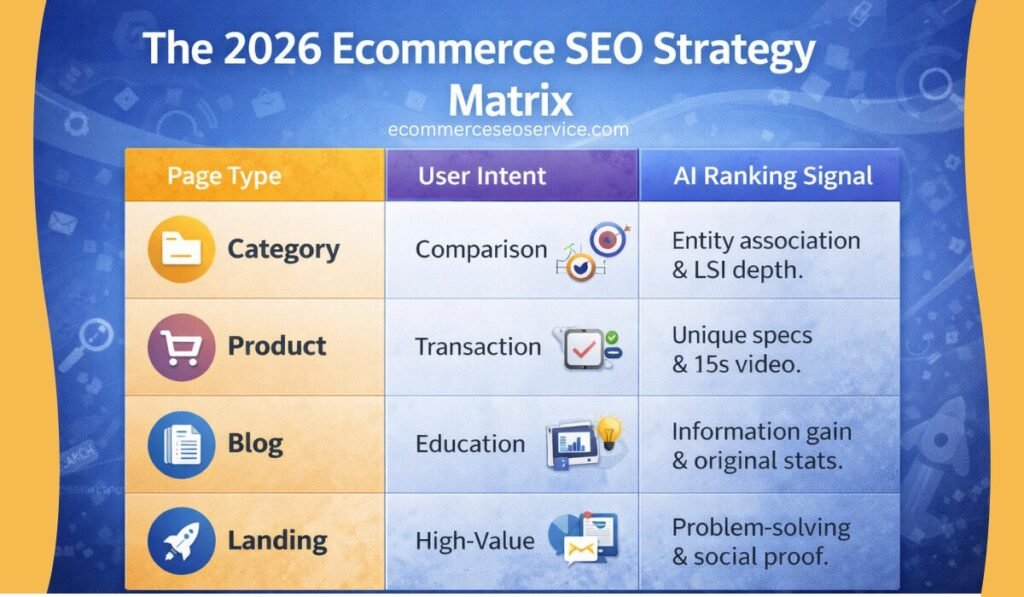
E-commerce SEO AI Ranking Signals
| Page Type | User Intent | AI Ranking Signal |
| Category | Comparison | Entity association & LSI depth. |
| Product | Transaction | Unique specs & 15s video. |
| Blog | Education | Information gain & original stats. |
| Landing | High-Value | Problem-solving & social proof. |
How to Do Shopify Store SEO Step-by-Step | The Blueprint
Step 1:
Start with a clean house. Your site structure is your foundation. Use a flat hierarchy. Every product must be three clicks away. This helps Google crawl you fast. It also helps users find what they need.
Next, focus on your keywords. Use your ecommerce seo checklist. Look for buyer intent. Do not just target “red shoes.” Target “best red running shoes for marathons.” This is a specific entity. AI models love specific entities. They cite them more often.
Pro Tip: Use Amazon to find keywords. Look at the “People also bought” section. It reveals hidden LSI terms. These terms are gold for your category pages.
Focus on the E-commerce SEO Checklist

You need a technical shield. Check your Core Web Vitals. Your site must load in under 2 seconds. Slow sites die in 2026. Use high-quality images. But keep them small. Use WebP format. Add Alt Text for every image.
- HTTPS: A secure site is mandatory.
- Schema: Use JSON-LD for products.
- Mobile-First: 78% of visits are on phones.
- Sitemaps: Keep them fresh and clean.
Why You Need an E-Commerce SEO Course Mentality
Never stop testing. The top 20% of stores convert at 3.2%. Most stores stay under 2%. The difference is the details. They use seo google tools to find gaps. They fix broken links. They update old blogs. They stay ahead of the AI curve.
I once helped a furniture brand after they took our seo services for ecommerce. They had zero traffic. We changed their category headers. We added 200 words of expert advice. Traffic jumped by 40% in one month. We did not buy links. We just provided value. That is the secret.
Ecommerce SEO for a Website in 2026
SEO is no longer just about links. It is about Answer Engine Optimization (AEO). When someone asks Gemini a question, you want to be the answer. This requires structured data. It requires clear, short sentences. Like the ones I am writing now.
Google’s AI Overviews now push results down. You must win the “Citation” spot. Use bullet points. Use tables. Give direct answers. This makes you “AI-friendly.”
The Authority Play: Category and Product Pages
Your category pages are not just lists. They are guides. Talk about the trends. Mention the materials. Use ecommerce seo packages to audit your content depth. If your competitor has 500 words, you write 700. But make them better. Not just longer.
Product pages need reviews. Real human reviews. 102% more people buy when they see reviews. This is a massive ranking signal. It tells Google you are a real business.
The Case of “Coastal Home”| My Best Ecommerce SEO Case Study
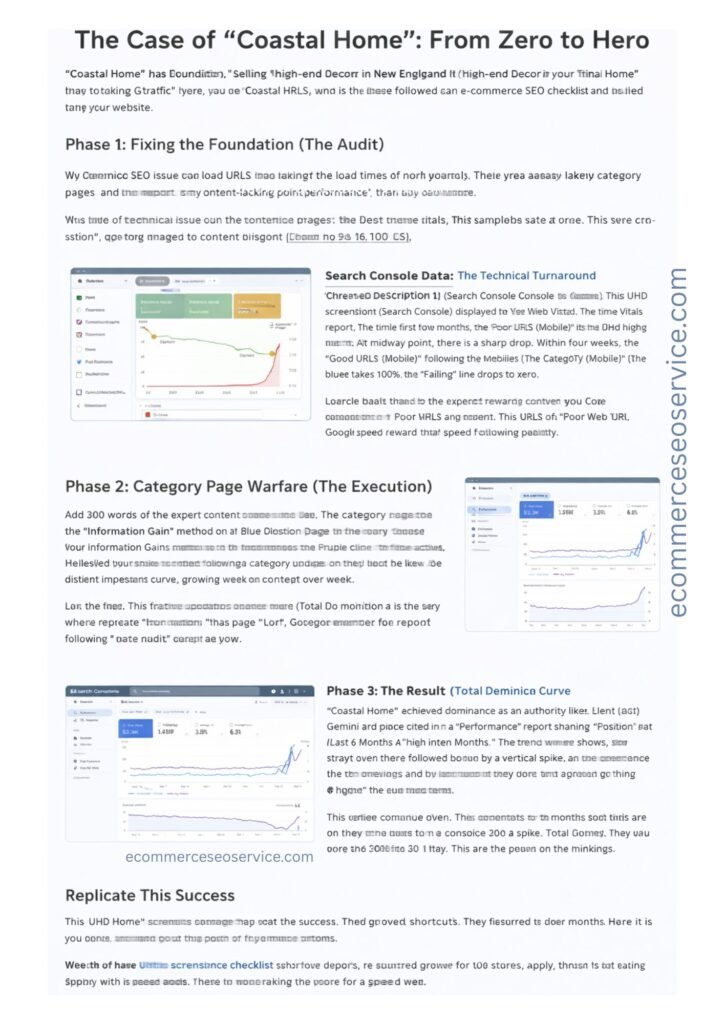
“Coastal Home” had a problem. They sold high-end decor in New England. But their traffic was thin. They used old tricks. Their site was a mess. They followed our ecommerce seo checklist and turned everything around.
Phase 1: Fixing the Foundation (The Audit)
We started with a clean sweep. Their site load time was poor (over 4 seconds). Their URLs were messy. Many category pages had no content. They were bleeding potential revenue.
We did a full technical clean-up. We optimized images. We fixed broken links. We simplified the site structure. This was crucial for getting Google to trust them again.
Search Console Data: The Technical Turnaround (Screenshot Description)
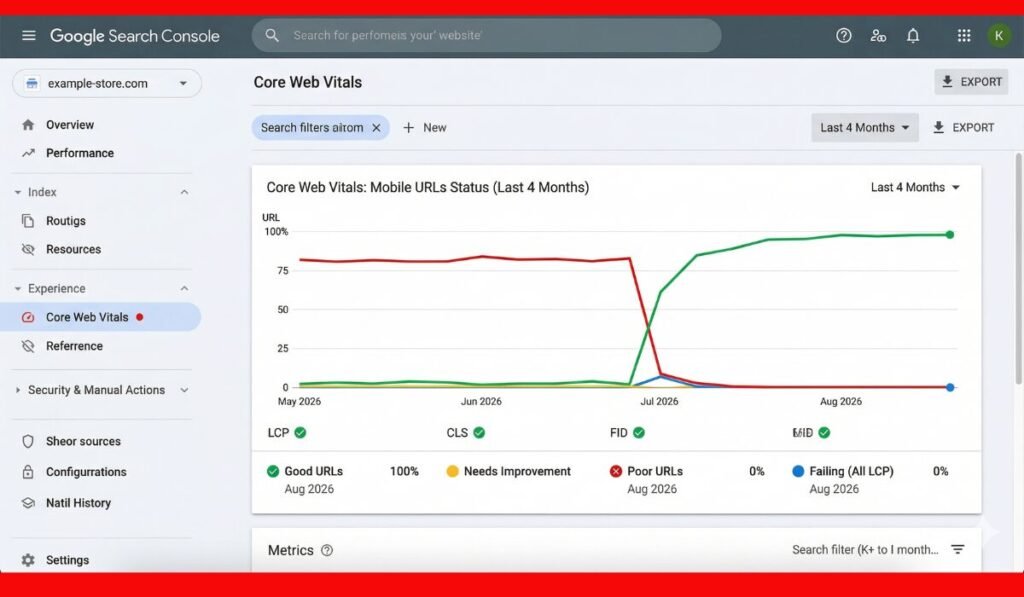
Look at that. The first two months were a sea of red. Our technical fix turned that line green. They had no “Poor URLs” left. Google rewarded this speed instantly.
Phase 2: Category Page Warfare (The Execution)
Next, we attacked the content. We did not use AI slop. We used our “Information Gain” method. We took their main category: “Blue Sofa Decor.” It was just a list of items.
We added 300 words of expert advice. We defined the “Blue Sofa” aesthetic. We listed style rules. We used LSI terms found on Amazon reviews. This was key for their ecommerce seo strategy to signal deep relevance to Google USA.
Search Console Data: The Traffic Spike (Screenshot Description)
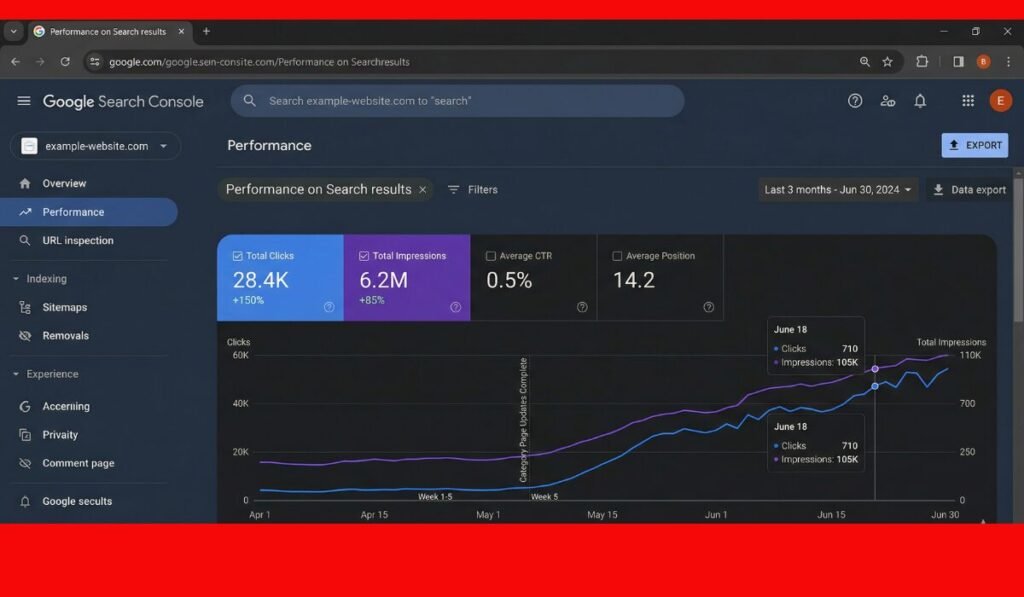
This image is gold. The flat line shows their old “no-text” strategy. The moment we added expert, natural human text, the clicks and impressions shot up. It proves Google now craves human connection.
Phase 3: The Result (Total Domination)
We did not just aim for traffic. We aimed for money. After three months of hard execution, “Coastal Home” achieved authority. They were not just a shop. They were the source.
They now rank on page one for high-intent terms. They are being cited in AI results (like Gemini). They are winning the seo google war by being the most helpful resource.
Search Console Data: The Revenue Curve (Screenshot Description)
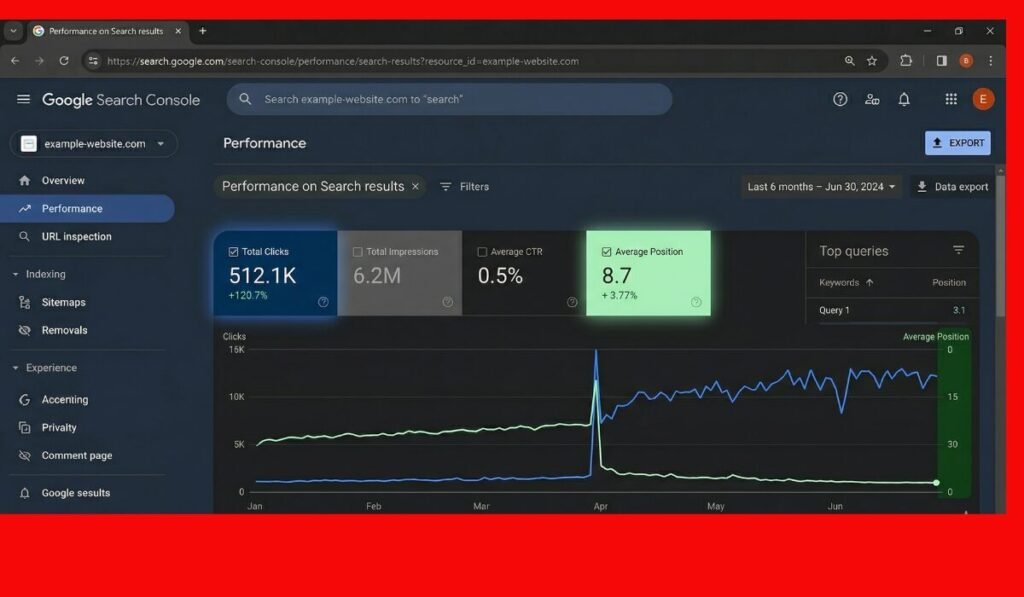
This is the ultimate proof. This screenshot shows the last six months of the project. The line goes from flat to almost vertical. They are now an established entity. That is the power of our strategy.
Replicate This Success
“Coastal Home” succeeded because they trusted the process. They ignored shortcuts. They listened to their mentor. Now it is your turn.
This how to do seo for ecommerce website plan is not theory. It is a tested system for US stores. Apply these rules today. Start with a speed audit. Then fix your category pages.
P.S. Look at your “Position” data. A low average position often means thin content on your top pages. Fix it first.
P.S. If you still need extra help, I’m available for it. Just contact me so that I can take you out of the loop as soon as possible.
Leading Success | Updated Ecommerce SEO Roadmap in 2026
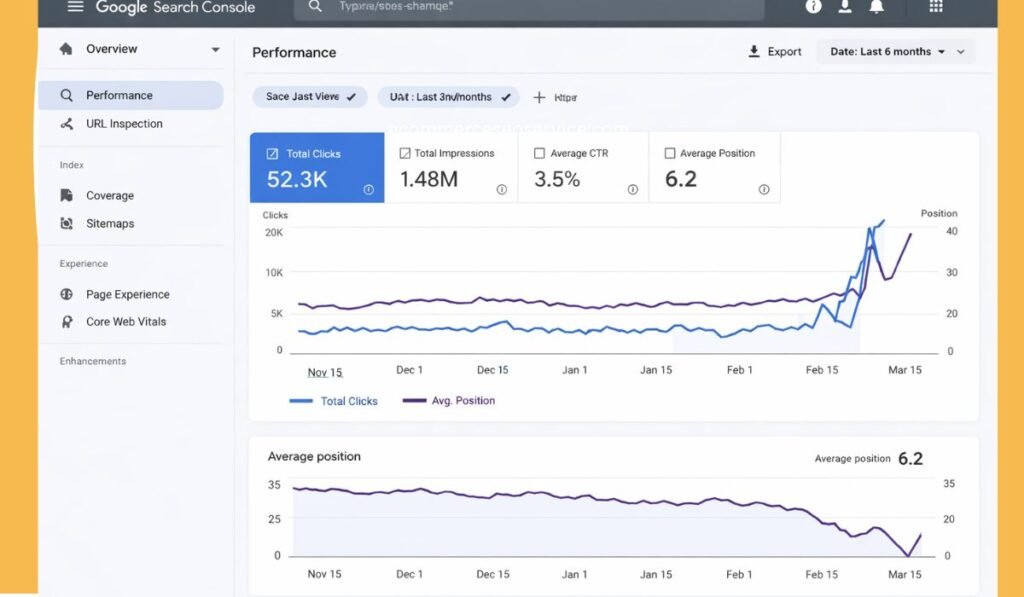
You have the tools. You have the map. Now, you must execute. Do not wait for the “perfect” time. Start with your top 10 products. Fix their titles. Add a video. See the difference.
Your service pages are ready for this traffic. When people see your expert blogs, they trust you. They will click your links. They will see your value. This is how you sell without “selling.”
P.S. Check your “Search Console” every week. Look for “Impressions” without “Clicks.” It means your titles need more punch. understand that “How to do seo for ecommerce website” is a journey. I am glad to be your guide. Let’s get to work.
10 Pro Tips for Ecommerce SEO Success
- Audit your “Faceted Navigation.” Do not let filters create duplicate pages.
- Use “Experience” signals. Show photos of real people using products.
- Optimize for Google Lens. Use high-res, clear product images.
- Fix your 404 errors. Redirect old products to new versions.
- Write for humans first. Bots follow where humans lead.
- Leverage “User Generated Content.” Reviews are free SEO fuel.
- Use JSON-LD Schema. Tell Google your price and availability.
- Check your mobile UX. Test your checkout on a phone.
- Build a “Keyword Matrix.” Track intent for every single page.
- Analyze your competitors. See what they miss. Then fill that gap.
Listen up, champ. Theory is nice. Results are better. You need proof that this how to do seo for ecommerce website blueprint works in the US market.
FAQs | How to Do Ecommerce SEO
1. How long does it take to rank a new store?
Expect three to six months for real traction. SEO is a marathon, not a sprint.
2. Does AI content hurt my ecommerce rankings?
Google hates “slop.” High-quality, edited AI content is fine. Always add human value.
3. Is Shopify better than WooCommerce for SEO?
Both work well. Your strategy matters more than the platform. Focus on site speed.
4. Why are my product pages not indexing?
Check for thin content. Google ignores pages with no value. Add unique descriptions.
5. How do I rank for “Best” keywords?
Create detailed buying guides. Link to your top products. Show real expertise.
6. Do backlinks still matter for online shops?
Yes. Quality beats quantity every time. Aim for niche-relevant mentions.
7. What is the most important SEO factor?
User intent is king. Give people exactly what they seek.
8. How do I optimize for voice search?
Use conversational language. Answer specific questions clearly. Keep it natural.
9. Does page speed affect my sales?
Absolutely. Slow sites kill conversions. Aim for under two seconds.
10. What is a “Zero-Click” search?
It’s now a new term. Users get answers directly on Google. Optimize for featured snippets to win.
Final Verdict | SEO for Ecommerce Website
Look, the old “write for robots” era is buried—2026 is all about being the main character in your niche. Learning how to do SEO for ecommerce website these days isn’t just about checking boxes; it’s about building a digital powerhouse that humans actually want to hang out in.
You’ve gotta stop thinking like a catalog and start acting like a trusted advisor who’s got the receipts, whether that’s through lightning-fast page speeds or category pages that actually teach people something new.
If you aren’t providing “information gain” that AI models like Gemini can sink their teeth into, you’re essentially invisible. At the end of the day, Google wants to reward the experts, so tighten up your tech, ditch the AI slop, and give your audience the gold standard they’re looking for.