Before exploring “how to develop a blog strategy for ecommerce SEO”, let me clear the concept. First, you must understand your buyer. Most people come to your site because they have a pain point. They want a solution.
If you sell high-end pillows, do not just write about “fabric.” Write about “how to stop neck pain while sleeping on your side.” This is a specific entity. It targets a human problem. It builds a Content Fortress around your shop.
A blog strategy for ecommerce SEO is a clear plan to create blog content that brings the right people from search engines and turns them into buyers.
It is not just writing articles. It is about writing the right content, for the right intent, and linking it to your products in a smart way. Everything shows a user-focused purpose, not our desire to put fluff they don’t need.
You need to act like a mentor, not a brochure. Start with a seed keyword from your own sales data. Look at what people ask in your customer service emails. Those are your next ten blog titles.
This is the bedrock of a search engine plan that actually brings in revenue.
How to Develop a Blog Strategy for Ecommerce SEO | Complete Blueprint
An ecommerce website or store can’t rely only on product and category pages to get high organic traffic. A blog section is a real game-changer. This is where most ecommerce SEO services agencies win due to their advanced level strategies. Let’s understand how to develop a blog strategy for ecommerce SEO in 2026.
Google Search and AI Search can recommend your site through different queries and bring in traffic. Still, a blog can drive a large share of organic traffic and turn those readers into buyers with one simple link.
If you think a blog is just for “news,” you are losing the war. Your US customers have questions before they reach for their credit cards. They want to know why your product is better. They want to know how to use it. If you are not the one giving them answers, your competitor will be.
Here is what you need to follow. Right after this, you will see a real case study based on this blueprint.
Step 1: Define your goal
- Increase organic traffic
- Rank product and category keywords
- Support buying decisions
- Drive conversions, not just clicks
Step 2: Understand search intent
- Informational → learning stage
- Commercial → comparing options
- Transactional → ready to buy
- Focus your blog on informational and commercial intent
- Guide readers toward product pages
Step 3: Do keyword research with clusters
- Pick one main keyword
- Add 5 to 10 related keywords
- Include real questions users search
- Build content around one topic instead of random posts
Step 4: Build topic clusters
- Choose one product or category
- Create one main guide
- Add supporting blog posts
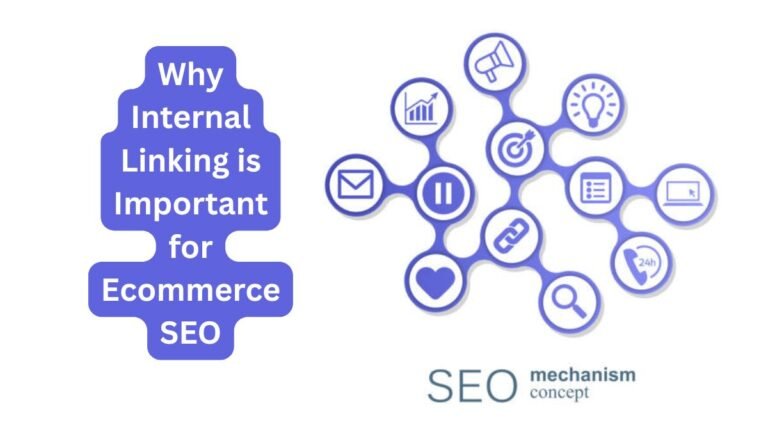
- Link all posts together
- Link them to product and category pages
Step 5: Choose blog types that convert
- Best X for Y
- X vs Y
- How to choose X
- Top lists
- Mistakes to avoid
Step 6: Plan simple content structure
- Hook in the first lines
- Use clear headings
- Keep sections short
- Make content easy to scan
Step 7: Add internal links
- Link to 2 to 3 related blogs
- Link to 1 to 2 product pages
- Keep links natural
Step 8: Place products inside content
- Mention products where relevant
- Link to collections
- Add simple CTAs
Step 9: Cover basic SEO
- Keyword in title
- Keyword in first lines
- Keyword in one heading
- Clean URL
- Clear meta description
Step 10: Stay consistent
- Publish 2 to 3 blogs per week
- Focus on one topic cluster at a time
Step 11: Track and improve
- Check traffic
- Track clicks to product pages
- Update low-performing posts
- Add more links over time
Now that you understand the blueprint, let’s move into how this actually works in real scenarios.
The 2026 Revenue-Driven Content Roadmap | Most Important

Identify Intent: Find the questions people ask before they buy.
Build Topic Clusters: Group your posts around your main products.
Information Gain: Add original photos or tips that AI cannot guess.
Internal Linking: Lead every reader toward a specific checkout page.
Answer Engine Optimization (AEO): Give direct answers for AI search.
Pro Tip:
Use the “People Also Ask” box on Google. Every question there is a blog post idea with strong buying intent. Your high-traffic blogs can link directly to your product pages. This is a game-changing way to bring in free traffic that converts. More traffic, more clicks, more sales for your store.
Now move to the logic behind your links.
Using Topic Clusters to Tell Google You Are the Authority
Google loves structure. If you write random posts, you stay invisible. If you build a connected system, you win.
Each blog supports another. Each one points to your main page. This builds trust.
Think of it like this:
- One main guide
- Multiple supporting posts
- All connected
This tells search engines that you own the topic. It also keeps users on your site longer.
Pro Tip:
If a blog does not link to a product or category, do not publish it.
Crafting Content That AI Wants to Cite
Search has changed. AI tools now pick answers and show them directly.
If you want to win:
- Use short sentences
- Give clear answers
- Avoid fluff
- Add real insights
AI tools prefer content that gets to the point fast.
Add:
- Bullet points
- Quick summaries
- Clear sections
Pro Tip:
Add a short summary at the top of each blog. It helps both users and AI tools.
Managing Content Decay to Keep Rankings Alive
Old content fades. Rankings drop if you ignore updates.
You need to:
- Review blogs every few months
- Update outdated parts
- Add new insights
- Improve links
Check your data:
- Which blogs lost traffic
- Which pages need updates
Fix them before they die.
Pro Tip:
A small update can push a page from page 2 to page 1.
Case Study: How a Store Turned Zero Traffic into Growth
Let me show you how this works in real life.
A US-based furniture store had great products but no traffic. They depended only on product pages. That approach failed.
We changed one thing. We built a blog strategy.
Phase 1: Finding Real Buyer Intent
We ignored broad keywords.
We focused on real problems:
- small space furniture
- storage solutions
- comfort issues
We turned these into blog topics.
Result: traffic started moving.
Phase 2: Building a Strong Pillar
We created one main guide around sofas.
Then we added smaller posts:
- cleaning tips
- comparison guides
- usage advice
Each post linked back to the main page.
This built authority fast.
Phase 3: Adding Real Value
We used real photos. Real examples. Real use cases.
This made content stronger than generic posts.
Search engines noticed.
Users trusted it more.
Phase 4: Winning Featured Spots
We answered questions directly.
Short answers. Clear structure.
This helped us win top positions in search.
Phase 5: Continuous Updates
We tracked performance every week.
We updated weak posts.
We added new topics.
Traffic kept growing.
Results
- Strong growth in organic traffic
- More clicks to product pages
- Better conversions
The store stopped selling only products. It started solving problems.
FAQs | How to Develop a Blog Strategy for Ecommerce SEO
- How do I start a blog for my ecommerce site?
Pick one product category and create a complete guide. Then support it with smaller blogs. - Does blogging help ecommerce SEO?
Yes. It helps you rank for problems, not just products. - How often should I post?
Stay consistent. Even one strong post per week works. - What should I include in blogs?
Clear answers, useful tips, and links to products. - How to develop a blog strategy for ecommerce seo that converts?
Focus on intent and guide users to product pages. - Can I use AI for writing?
Use it for ideas. Add your own voice for trust. - How long should a blog be?
Long enough to solve the problem fully. - How do I find keywords?
Use search data, customer questions, and competitor gaps. - Which platform is best?
Both Shopify and WordPress work. Strategy matters more. - How do I measure success?
Check traffic, clicks, and conversions.
Pro Tips
- Fix broken links
- Use image alt text
- Keep language simple
- Update old content
Summing Up
You now understand how to develop a blog strategy for ecommerce seo in a real, practical way.
It is not about writing more.
It is about writing with purpose.
Solve problems. Guide users. Build trust.
That is how blogs turn into sales machines.
One last thing.
If you want to skip the trial and error, I can help you build a complete content system for your store.
From keyword research to conversion-focused blogs, everything stays aligned with your goal.
Book a free consultation and see how your blog can start driving real revenue.